
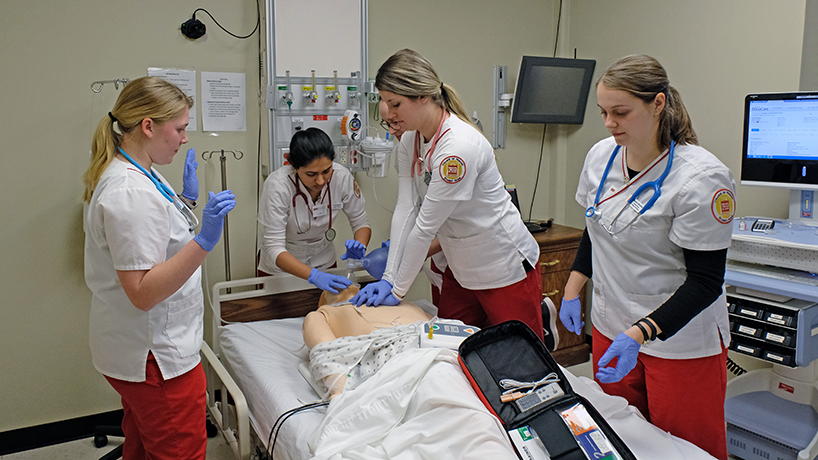
Introduction to the ward environment (medical and surgical wards) and equipment used in the ward, identify the roles and responsibilities of the healthcare staff, identification of documents maintaining in the ward, common terms use in ward, common illnesses and common surgeries, common medications, common investigations, basic needs of the patient, approach to the patient and rapport with the patient (communication), documentation in the ward and ward routines, admission of a patient to the ward, preparation of patient’s environment and unit, Maintaining safety, Vital signs assessment, Hygienic needs, Eliminatory needs, Nutritional needs and Respiratory needs of a patient.
- Lecturer: Demonstrators DoN

Health promotion: health, health promotion, determinants of health, health promotion principles & strategies of health promotion, action areas of health promotion, health promotion models, health promotion in Sri Lanka, health communication and health education, principals and ethics of health education, goals of health education, approaches of health education, responsibility of health educator, levels of health education, domains of learning, learning objectives
Social aspects: basic concepts of sociology, individual and the society, social processes, social groups, family and marriage, rural and urban community, major social problems, (population issues, urbanization), social stratification, class and caste system, social systems and race, culture and civilization, social change, social organization and disorganization, health sociology
- Lecturer: Dr. Bimba Wickramarachchi BN-Lecturer
- Lecturer: Dr. K.G.P. Nirmani BN-Lecturer
- Lecturer: Ms. N.K.G Manodya BN-Lecturer
- Lecturer: Demonstrators DoN

Introduction to nursing, history of Nursing, health and illness, communication skills in nursing, maintaining a safe environment, maintaining personal hygiene, promoting comfort, monitoring vital signs, heat and cold application, admission, discharge and transfer, eliminatory needs of the patient, food and fluid consumption, assisting in breathing, activities and exercises
- Lecturer: Dr. Bimba Wickramarachchi BN-Lecturer
- Lecturer: Dr. K.G.P. Nirmani BN-Lecturer
- Lecturer: Dr. S.M.T.D. Sundarapperuma BN-Lecturer
- Lecturer: Mrs. M.P.H. Kaushalya Dias BN-Lecturer
- Lecturer: Ms PM Nanayakkara BN-Lecturer
- Lecturer: Ms. K.K.P.M.K. De Silva BN-Lecturer
- Lecturer: Ms. N.K.G Manodya BN-Lecturer
- Lecturer: Ms. P.B.K.G.E. Sandamali BN-Lecturer
- Lecturer: Ms. U.S.N. Yatawara BN-Lecturer
- Lecturer: Demonstrators DoN
- Lecturer: Dr. S.M.T.D. Sundarapperuma BN-Lecturer
- Lecturer: Ms. P.B.K.G.E. Sandamali BN-Lecturer
- Lecturer: Ms. U.S.N. Yatawara BN-Lecturer
- Lecturer: Demonstrators DoN
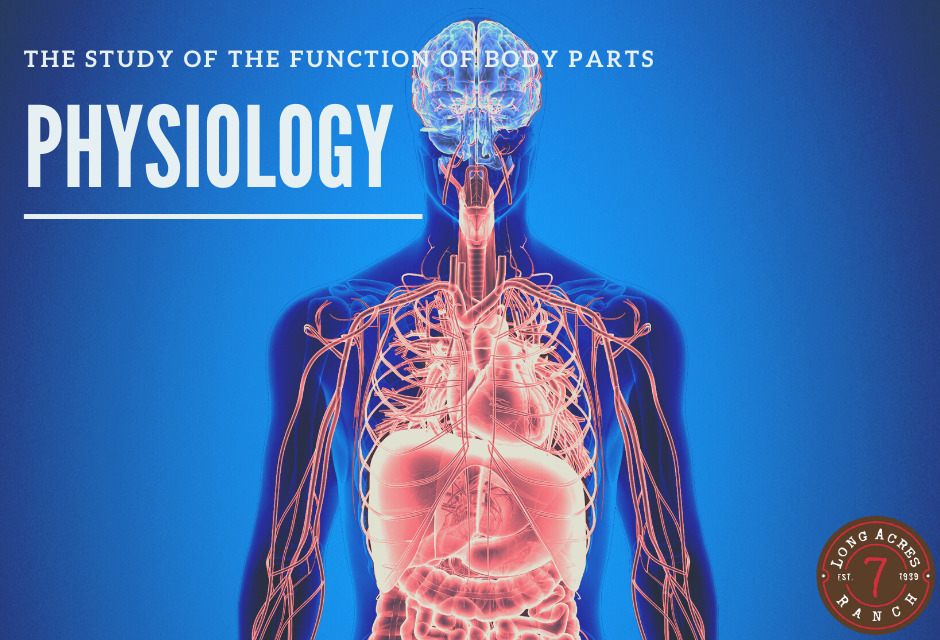
Introduction to physiology, homeostasis, tissue fluid formation (starling forces), oedema, blood and immunology, physiology of cardiovascular system, respiratory system and gastrointestinal system.
- Lecturer: Ms PM Nanayakkara BN-Lecturer
- Lecturer: Demonstrators DoN
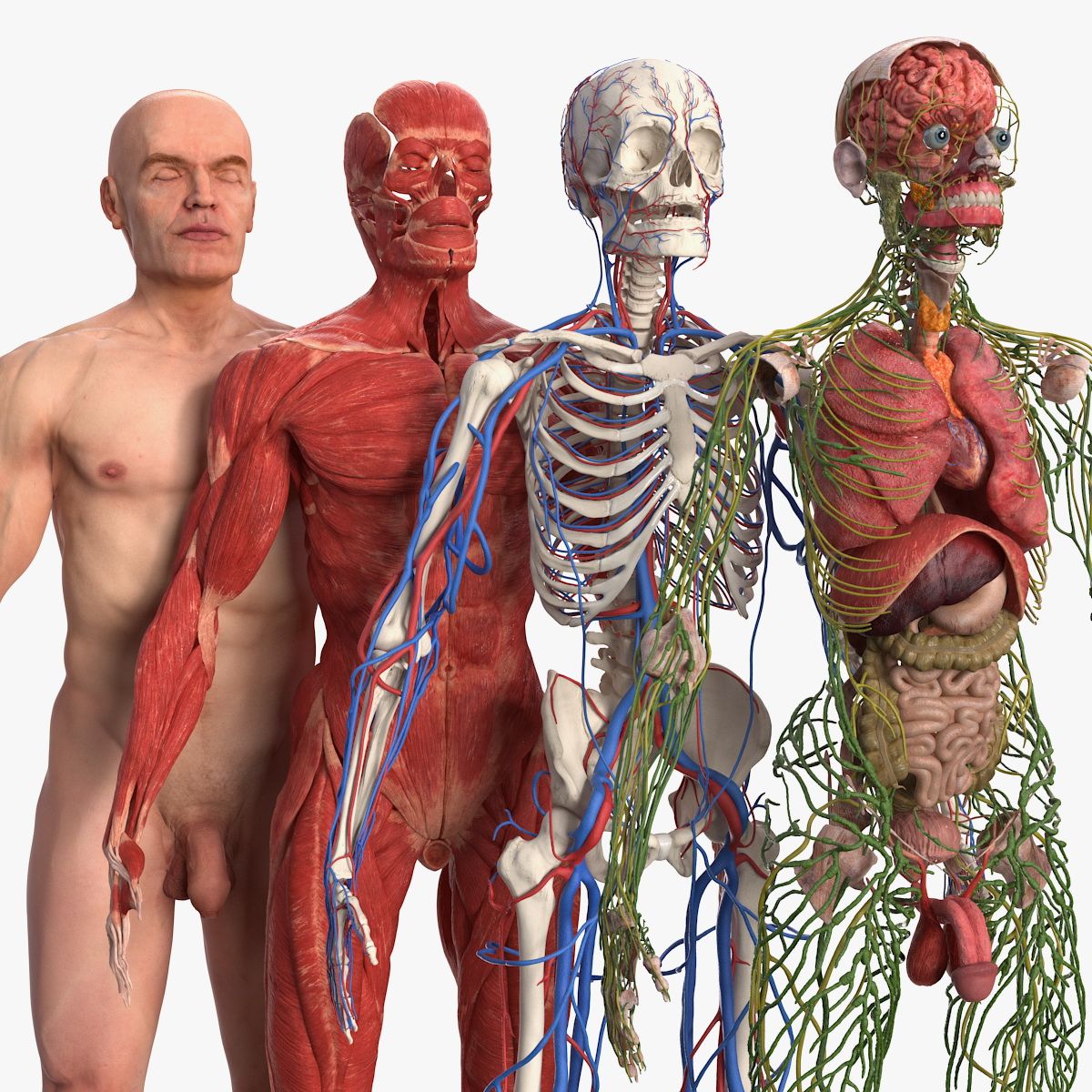
The organization of the human body, structure of the cell and introduction to genetics, introduction to embryology, structure of the skin and connective tissues/supportive tissues, anatomy of the cardiovascular system, lymphatic system, respiratory system and gastrointestinal system.
- Lecturer: Ms Kumudu Nisansala DO-Lecturer
- Lecturer: Demonstrators DoN